Non-Surgical Rhinoplasty in San Francisco
Non-surgical rhinoplasty, also known as liquid rhinoplasty, nose filler, or a non-surgical nose job, uses injectable filler to reshape the appearance of the nose without surgery. It can camouflage a nasal hump, improve minor asymmetry, add definition to the bridge, and smooth irregular contours. Results are visible almost immediately, and the treatment is temporary.
Dr. Usha Rajagopal is a board-certified plastic surgeon with more than 20 years of experience in cosmetic plastic surgery and has performed over 1,000+ non-surgical rhinoplasty treatments across a diverse range of facial features and aesthetic goals. Her approach combines detailed knowledge of nasal anatomy with careful patient selection, proportion, and safety.

Why Choose Dr. Usha Rajagopal for Nose Filler?
-
Dr. Rajagopal has been performing non-surgical rhinoplasty for years and has developed a large practice around nose filler for both women and men.
-
Dr. Rajagopal has treated more than 1,000 noses across a wide range of facial anatomies and aesthetic goals, giving her extensive experience recognizing the subtle differences that make each nose and each treatment plan unique.
-
As a board-certified plastic surgeon, Dr. Rajagopal understands the nose from both a surgical and non-surgical perspective. This allows her to evaluate the underlying anatomy, recognize what can realistically be achieved with filler, and identify when surgical rhinoplasty may be the better option.
-
There is no single “ideal” nose. Dr. Rajagopal has extensive experience treating patients with a wide range of facial features, backgrounds, and aesthetic goals.
For some patients, treatment may involve building a naturally lower nasal bridge. For others, the goal may be smoothing the appearance of a dorsal hump, improving asymmetry, refining the profile, or creating better balance with the rest of the face.
Her goal is to create thoughtful, individualized changes while allowing patients to continue looking like themselves.
-
Patients travel to San Francisco from throughout the country and internationally to see Dr. Rajagopal for non-surgical rhinoplasty and other aesthetic treatments. Many seek her out specifically for her experience with natural-looking results and her ability to work with a wide range of facial features and aesthetic goals.
-
Dr. Rajagopal has published on the procedure, presented her approach to fellow plastic surgeons, trained other physicians, and spoken on professional panels about facial aesthetics and injectable techniques. Her published work on non-surgical rhinoplasty covers patient selection, nasal anatomy, technique, safety, and complication recognition.
-
Dr. Rajagopal is regularly called upon by beauty, health, and lifestyle media for her perspective on cosmetic procedures, facial aesthetics, emerging treatments, and aesthetic trends. These opportunities reflect her experience and longstanding role as an expert in the aesthetics field.
Experience matters, especially when treating the nose. Non-surgical rhinoplasty requires an advanced understanding of nasal anatomy, careful patient selection, and the judgment to know what filler can and cannot accomplish. Dr. Rajagopal brings the perspective of a board-certified plastic surgeon who performs, teaches, and has published on non-surgical rhinoplasty.
Subtle Changes Without Surgery
Non-surgical rhinoplasty is best suited to contour changes that can be created by adding filler. Depending on the patient’s anatomy and goals, treatment may be used to:
-

Camouflage Nasal Hump
Strategically add filler around a bump to create a smoother, straighter-looking bridge.
-

Build the Bridge
Add height and definition to a lower bridge while preserving natural facial proportions.
-
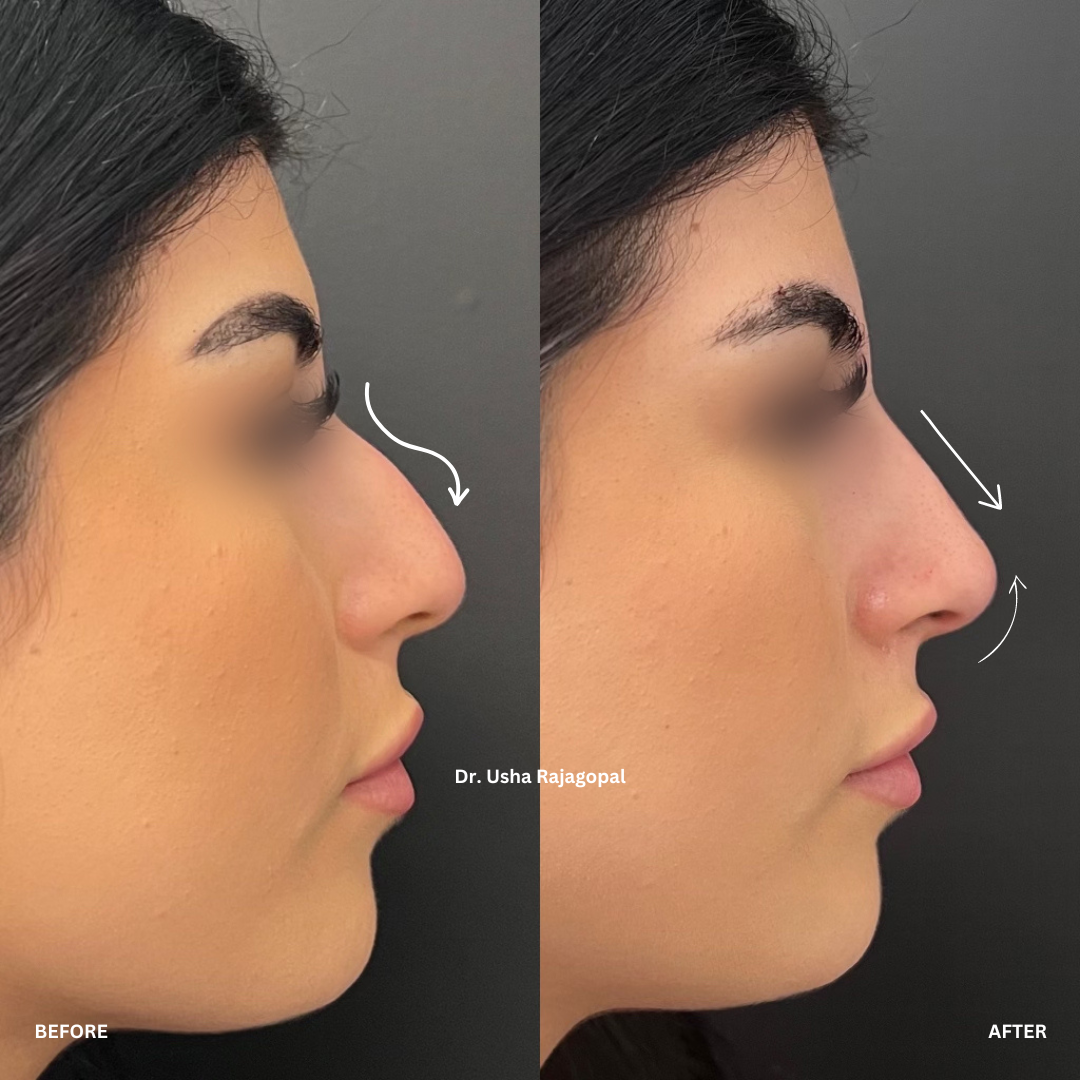
Improve Balance
Small changes to shape and definition can improve how the nose relates to the rest of the face.
-

Smooth Irregularities
Soften minor asymmetry or uneven contours for a smoother nasal profile.
-
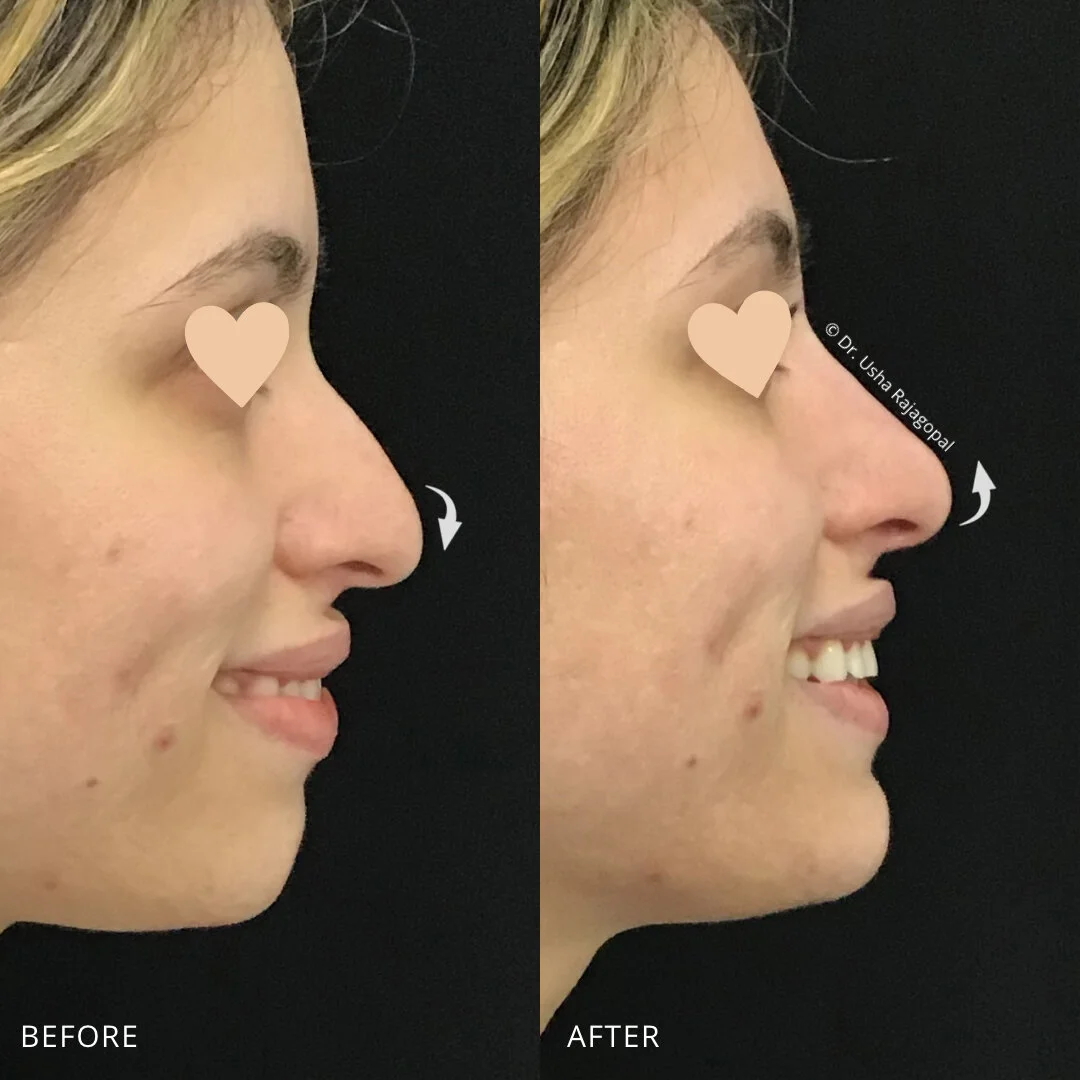
Refine Nasal Tip
Refine selected areas of the nasal tip for subtle, natural-looking definition.
-
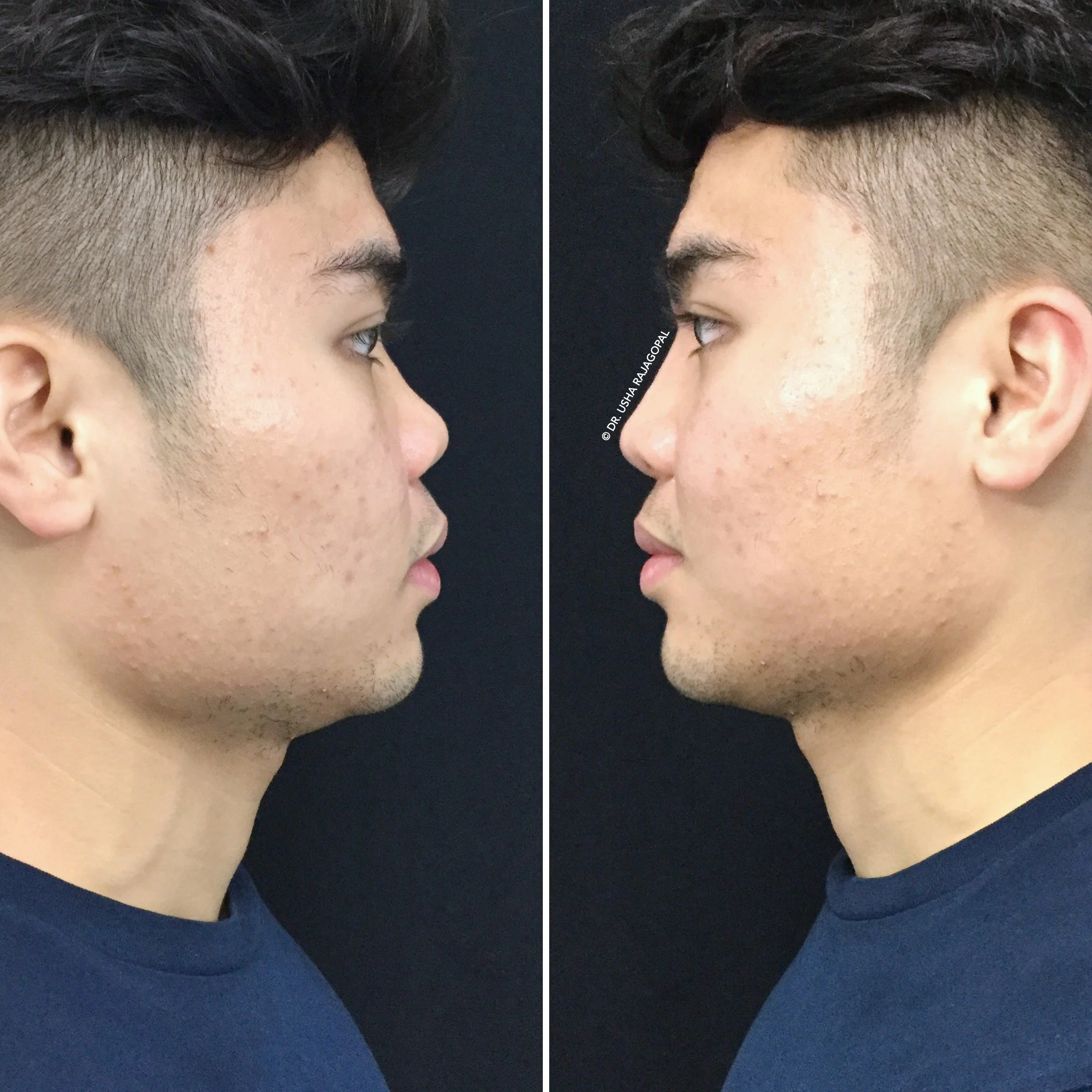
Improve Profile
Enhance overall nasal proportion to create better balance across the facial profile.
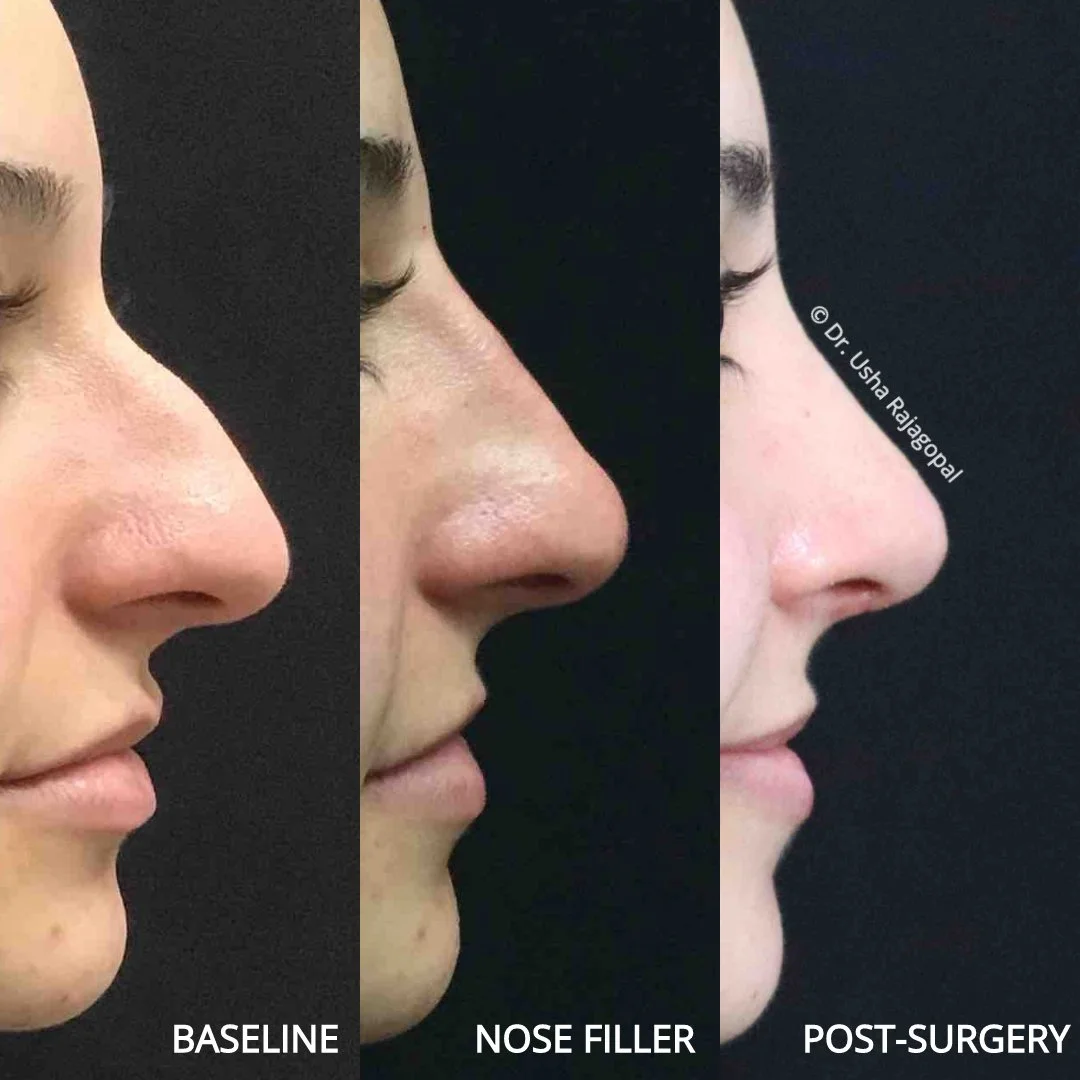
Nose Filler Adds.
It Does Not Subtract.
One of the most important things to understand about non-surgical rhinoplasty is that filler reshapes the nose by adding volume. Surgical rhinoplasty can add or remove structure as needed, while nose filler is an additive treatment.
Filler can create the appearance of a straighter, smoother, or more defined nose, but it cannot physically make the nose smaller or narrower. It also cannot correct functional problems involving the septum or turbinates.
Nose Filler and Surgery Solve Different Problems
| Goal | Nose Filler May Be Better Suited For | Surgical Evaluation More Appropriate If |
|---|---|---|
| Shape / contour | Camouflaging a nasal hump; adding bridge height or definition | You want the nose to be physically smaller or narrower |
| Irregularities | Improving minor irregularities or mild asymmetry | You want structural changes that cannot be created by adding filler |
| Treatment preference | Creating a temporary, non-surgical contour change | You have a functional concern involving the septum or turbinates |
| Downtime | You prefer minimal downtime and an in-office treatment | You are comfortable with surgical recovery in exchange for more significant structural change |
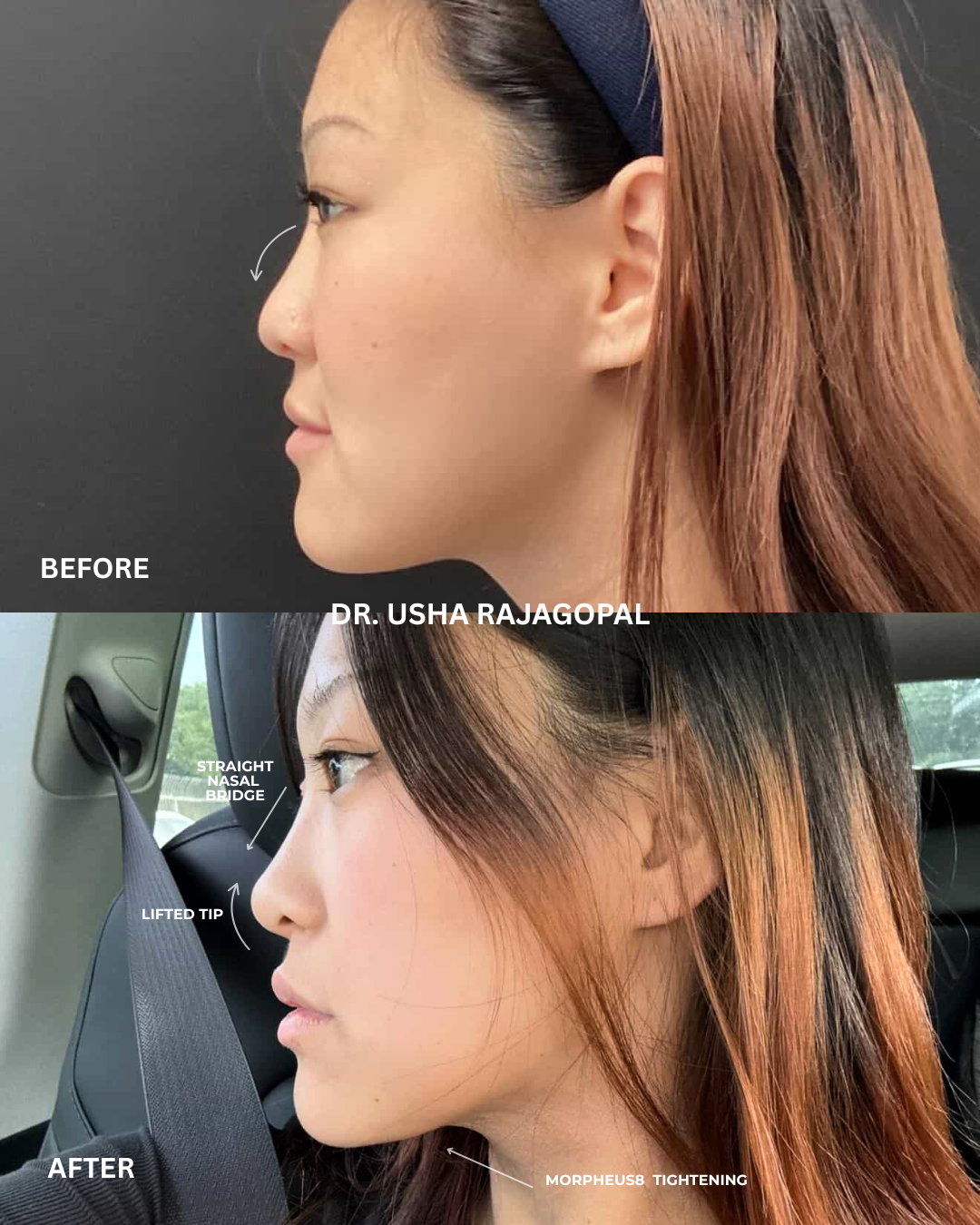


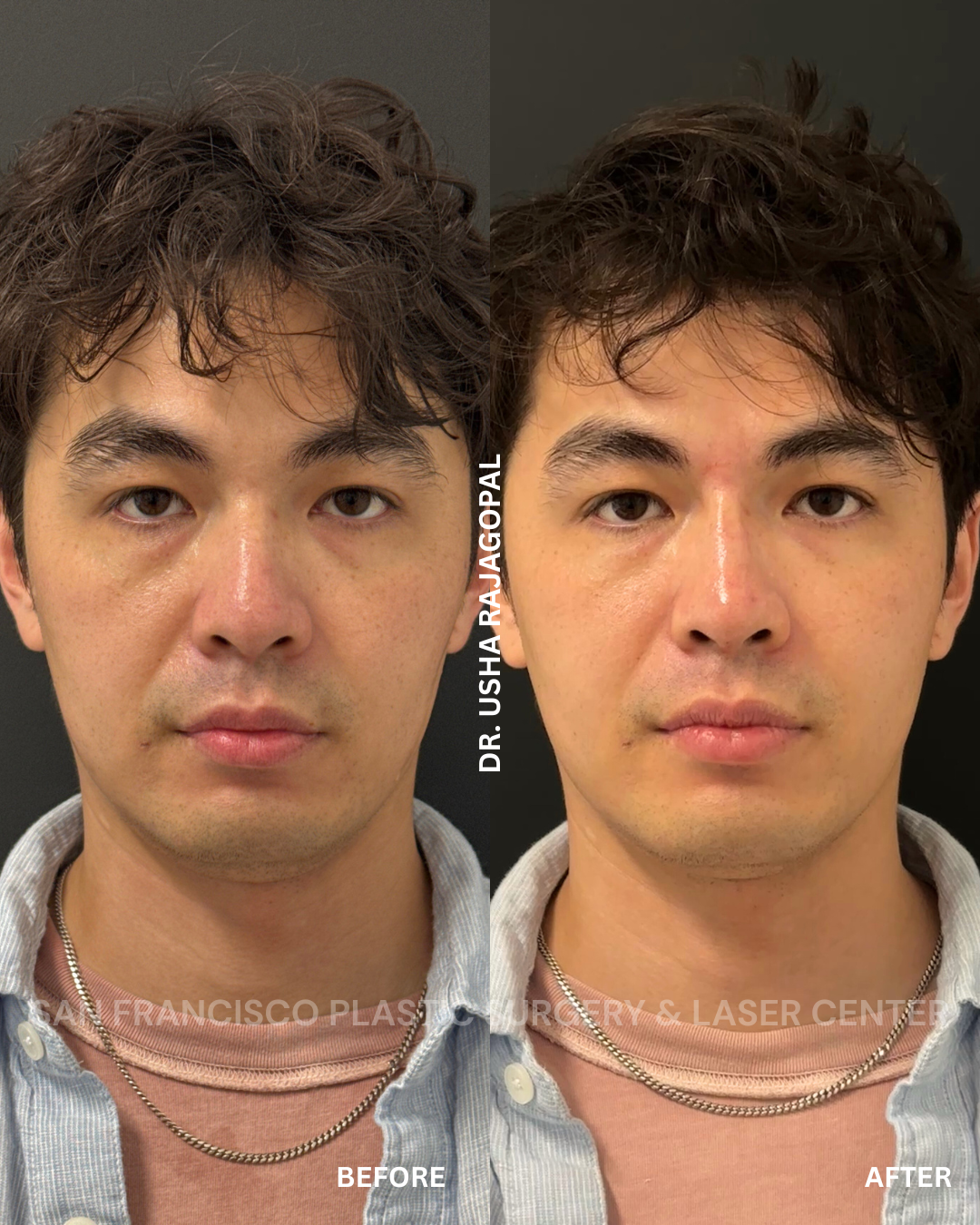
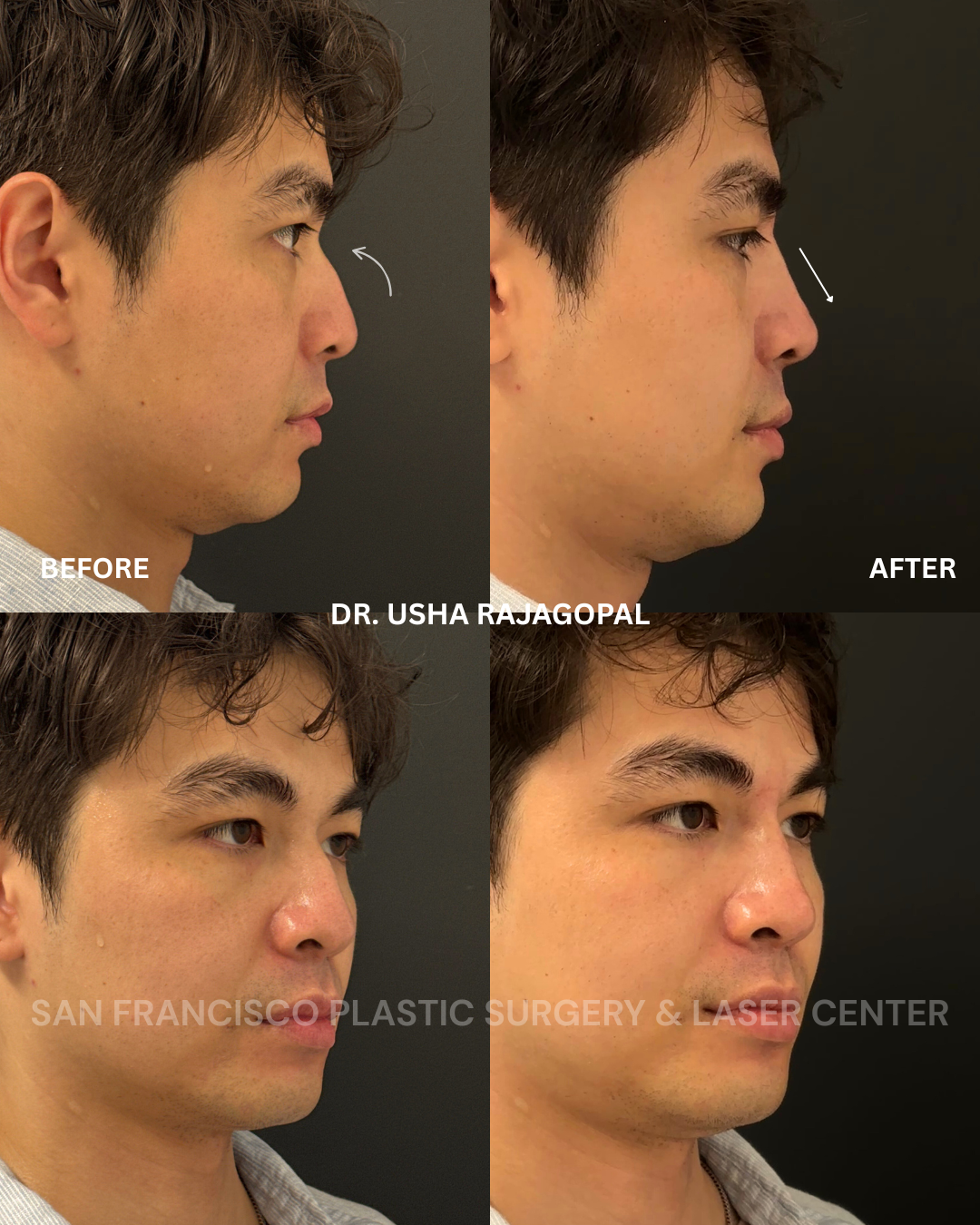


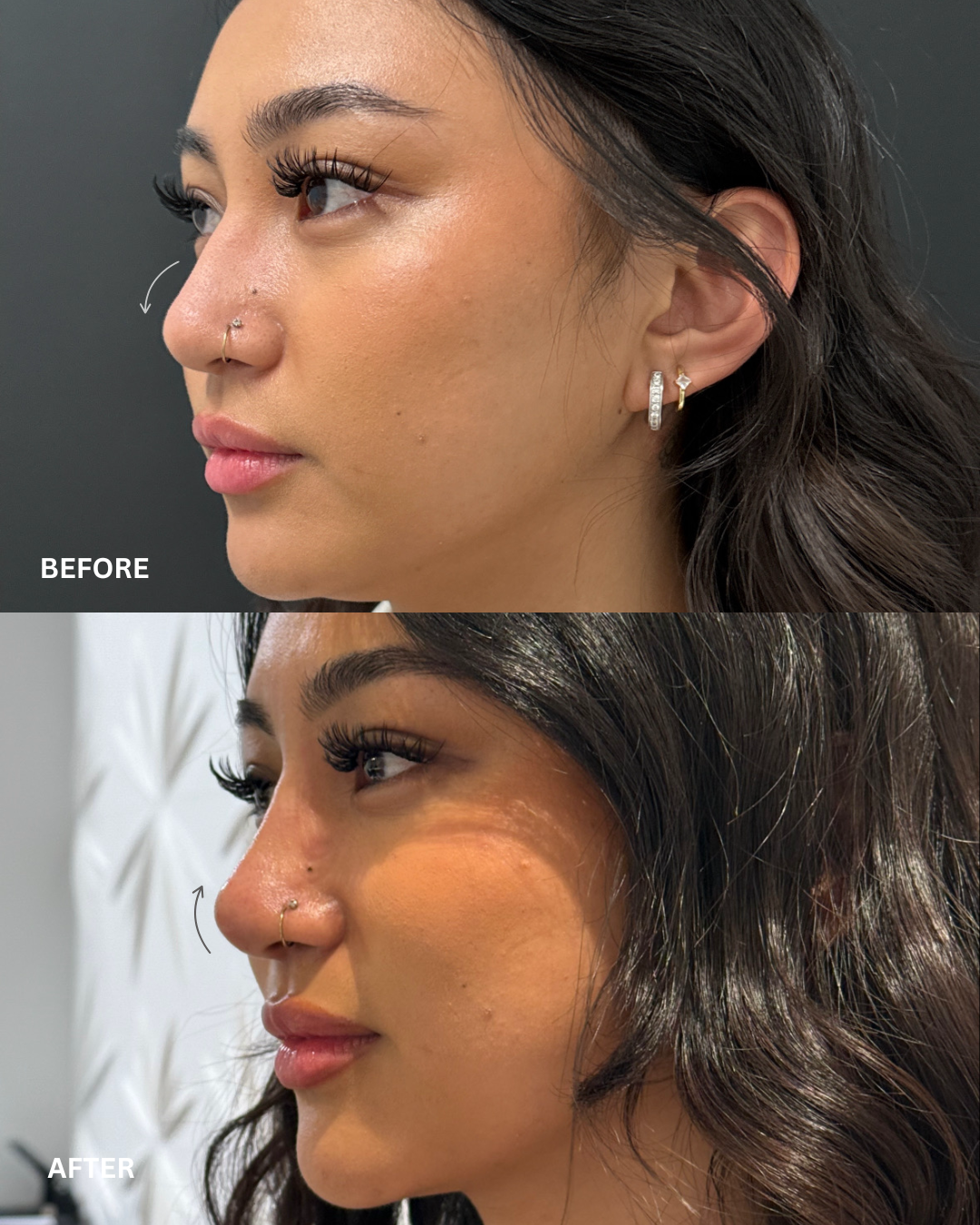
Asian Nose Filler & Bridge Augmentation
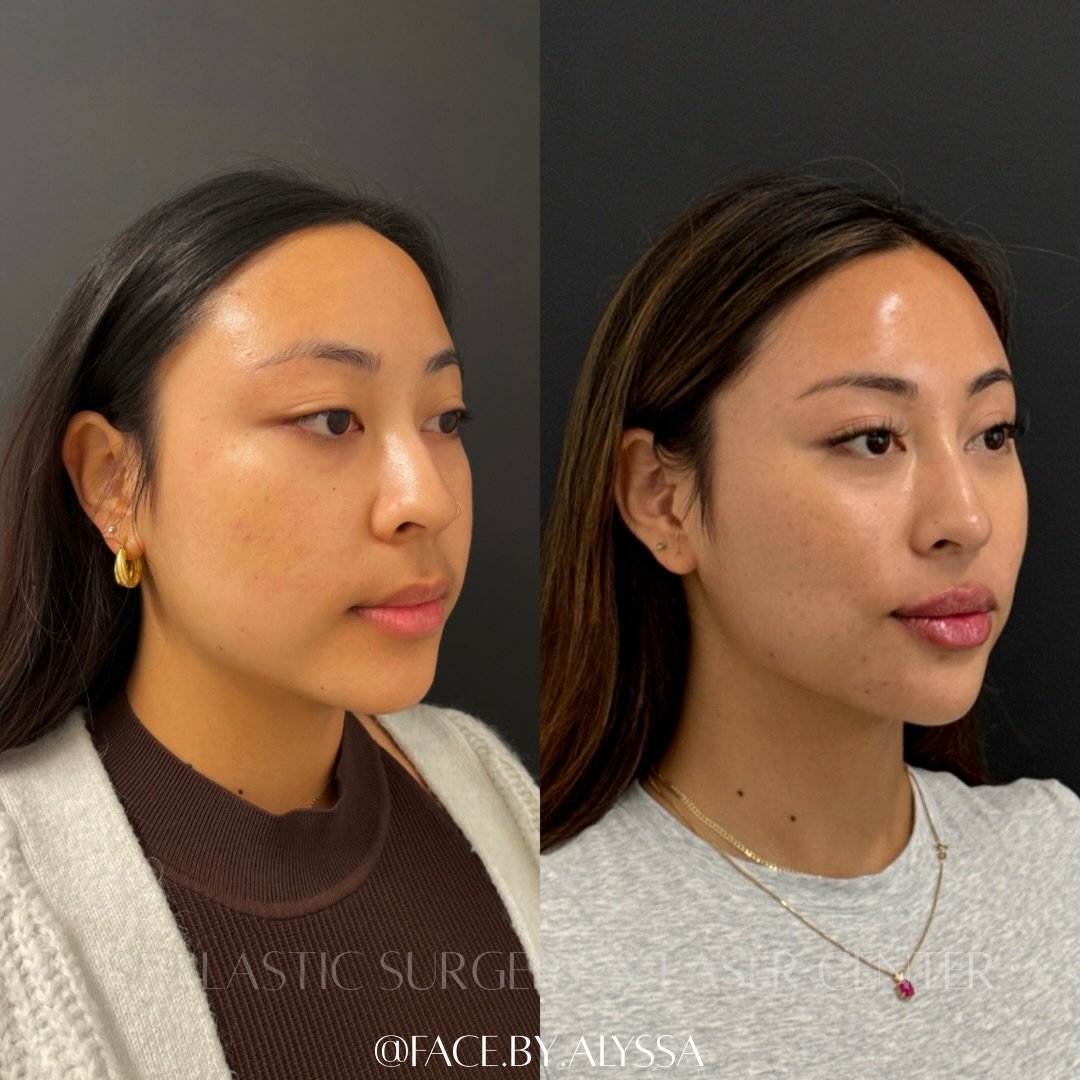
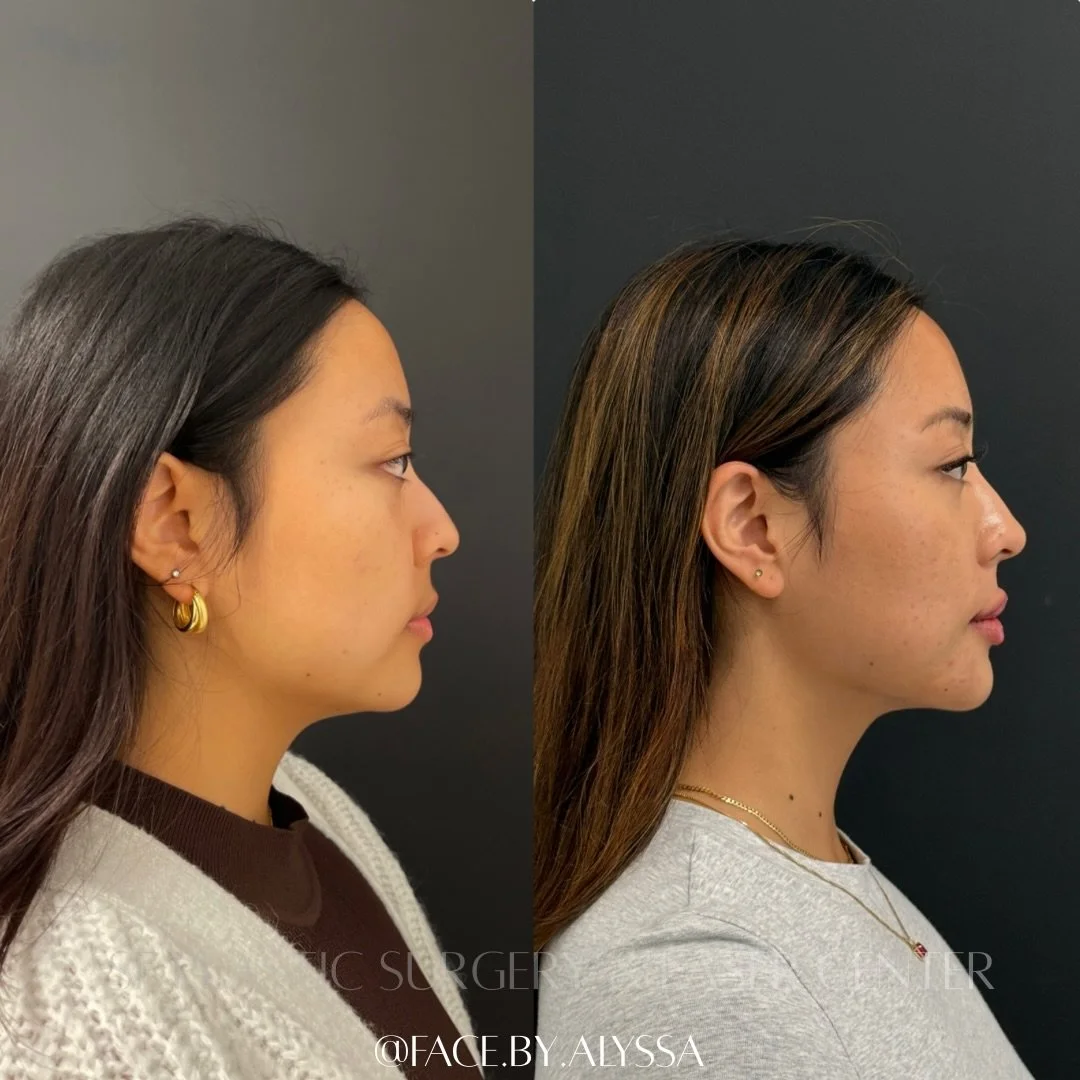
Many of our Asian nose filler patients come in wanting more height and definition through a naturally lower or flatter nasal bridge. The goal is often not a dramatically different nose. It is a more defined, contoured bridge that looks balanced with the rest of the face.
In appropriate patients, filler can be used to build height through the radix and dorsum, creating more definition from the front and a more contoured profile from the side.
Treatment is individualized to each patient’s anatomy and goals. The aim is to refine the nose while preserving the features that make the patient look like themselves.
A Recognized Authority in Non-Surgical Rhinoplasty
Dr. Usha Rajagopal’s expertise in non-surgical rhinoplasty extends well beyond her own practice.
Presented: She has been invited to teach and speak to fellow physicians through organizations including ASPS, CSPS, The Aesthetic Society/WPS, and UCSF, sharing her experience in facial anatomy, injectable treatment, and safety.
Trained: She has served as Chair of the Artistry of Injectables training course, helping educate plastic surgeons on advanced injectable procedures and complication prevention.
Consulted: Leading global aesthetics companies have sought Dr. Rajagopal’s perspective on non-surgical rhinoplasty, including considerations for treating Asian nasal anatomy.
Published: She coauthored “Nonsurgical Rhinoplasty” in Advances in Cosmetic Surgery, Volume 6, published by Elsevier. The article addresses nasal anatomy, candidacy, treatment methods, and complication management.
Combined with nearly three decades of surgical and non-surgical experience, Dr. Rajagopal brings a deep understanding of nasal anatomy, facial proportion, and the subtle changes that can create a more balanced result.
Why Experience and Safety Matter with Nose Filler
The nose has a complex vascular anatomy, making it one of the more advanced areas of the face to treat with filler. Rare but serious complications can occur, which is why careful patient selection, detailed knowledge of anatomy, precise technique, and the ability to recognize and manage complications are so important. Dr. Rajagopal has published and taught on non-surgical rhinoplasty, including nasal anatomy, injection safety, and complication management.
Advanced Ultrasound Imaging When It Matters
Our practice has invested in high-resolution ultrasound technology that allows our providers to visualize filler and surrounding facial anatomy beneath the skin. Ultrasound can help identify the location of existing filler, assess certain complications, visualize blood vessels, and guide more targeted treatment when clinically appropriate.
This technology is an important part of our Filler Complication Referral Center, where patients frequently come to us for evaluation of migrated, misplaced, or problematic filler and ultrasound-guided dissolving.

Better Balance. Still You.
A successful non-surgical rhinoplasty should not look like a standardized nose. Dr. Rajagopal considers the nose in relation to the chin, lips, forehead, and overall facial profile, making subtle changes designed to improve balance while preserving the patient’s individual features.
Start With a Complimentary Photo Assessment
The easiest way to begin is to send clear front and side-view photos of your face and tell us what you would like to change, your concerns, and goals. Dr. Rajagopal will review your photos and let you know whether you may be a candidate before moving forward with scheduling.

Send Your Photos
Send a clear front view and side/profile views, along with a brief description of the features you would like to enhance.
Candidacy Review
Dr. Rajagopal reviews your anatomy and goals to determine whether non-surgical rhinoplasty may be appropriate.
Treatment Visit
The nose is numbed with topical numbing cream and/or lidocaine. The patient remains awake during the procedure.
Immediate Result
Changes are visible almost immediately. Minor bruising or redness can occur, but patients can typically return to work right away.
Frequently Asked Questions About Non-Surgical Rhinoplasty
-
Non-surgical rhinoplasty, also called liquid rhinoplasty, nose filler, a non-surgical nose job, or liquid nose job, uses injectable filler to reshape the appearance of the nose without surgery.
-
Filler cannot physically make the nose smaller or narrower because it is an additive treatment. In some patients, strategic contouring can make the nose appear more defined or balanced.
-
Yes, in appropriate patients. Filler can be added above and below a nasal hump to camouflage the prominence and create a smoother-looking profile. The hump itself is not removed.
-
Yes, in appropriate patients. Filler can be used to add height and definition through the nasal bridge. This is a common goal among many of our Asian nose filler patients.
-
That is the goal. Treatment is individualized to the patient’s anatomy and desired degree of change, with an emphasis on balance and natural-looking refinement rather than creating a standardized nose.
-
No. Non-surgical rhinoplasty cannot treat functional problems related to the septum or turbinates.
-
Possibly, but previous rhinoplasty requires additional evaluation. Previous rhinoplasty can be a relative contraindication because scar tissue may shift normal vascular anatomy.
-
A history of a permanent nasal implant may make non-surgical rhinoplasty inappropriate. Prior permanent implants can be considered a contraindication.
-
The nose is numbed with topical numbing cream. The treatment is not completely pain-free, but discomfort is described as minimal.
-
Non-surgical rhinoplasty is not permanent. As a result, patients will need to return for maintenance treatments at approximately 9-12 months.
-
Non-surgical chin augmentation can be used to create a more balanced facial profile and may reduce the perceived prominence of the nose.
-
Not permanent: Because the fillers are temporary, you can make changes with the freedom of knowing it’s not forever.
Cost: The cost is significantly less than surgical rhinoplasty.
Results: The results can be seen almost immediately without waiting weeks for surgical results to “settle”.
Non-Surgical: The patient is conscious and able to provide feedback during the procedure.
Recovery: There is no downtime required after the procedure. Although there may be some minor bruising or redness, the patient can return to work immediately.