From AI-generated beauty standards to the shift toward natural-looking results, San Francisco plastic surgeon Dr. Usha Rajagopal explores how technology, wellness, and changing patient expectations are shaping the future of aesthetic medicine.
What does beauty look like in an age of AI filters, rapidly advancing aesthetic technology, and increasingly sophisticated patients?
Board-certified San Francisco plastic surgeon Dr. Usha Rajagopal, Medical Director of San Francisco Plastic Surgery & Laser Center, recently joined Dr. Daniel Langer on The Future of Luxury podcast for an insightful conversation about the evolving relationship between beauty, technology, wellness, and human psychology.
Drawing on decades of experience in plastic surgery and non-surgical aesthetics, Dr. Rajagopal discussed everything from the growing influence of AI-generated beauty ideals to the renewed appreciation for subtle, natural-looking results.
The conversation also explored hyperbaric oxygen therapy, the rise of GLP-1 medications, preventative aesthetic treatments, and why the future of beauty may be less about looking younger and more about looking refreshed, healthy, and authentically yourself.
Here are some of the key takeaways from their discussion.
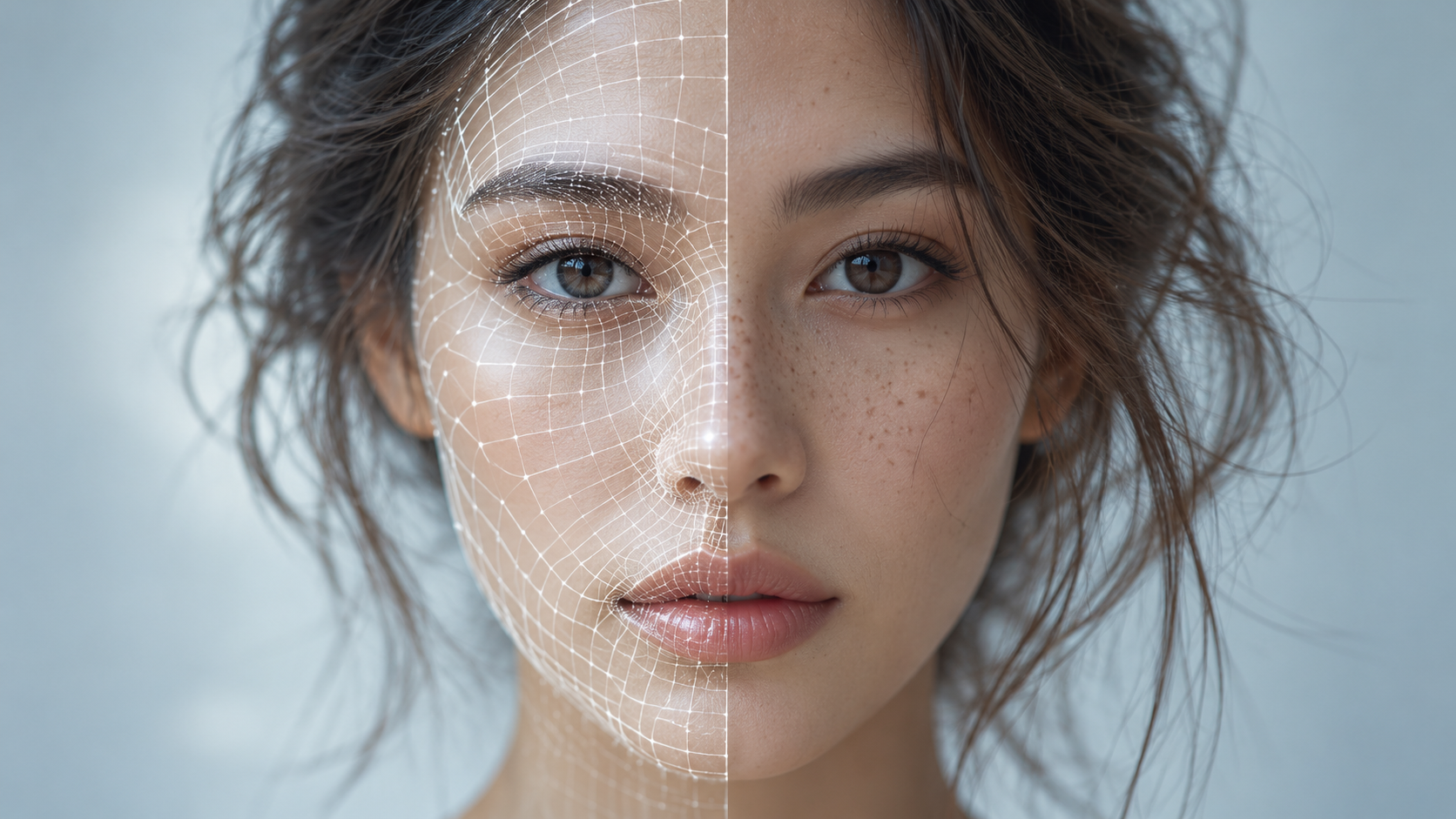
1. AI Is Changing Beauty Standards, but Human Anatomy Still Sets the Limits
Social media has influenced aesthetic preferences for years. Patients once brought photographs of celebrities to their plastic surgery consultations. More recently, filtered selfies and influencer images became common reference points.
Now, artificial intelligence is introducing an entirely new challenge.
AI-powered editing tools can generate seemingly realistic versions of a person's face, with smoother skin, different facial proportions, enhanced features, and digitally perfected symmetry.
The problem? What looks possible on a screen is not always achievable, or advisable, in real life.
During the interview, Dr. Rajagopal explained how AI-generated images can create unrealistic expectations because digital tools are not constrained by the complexities of human anatomy.
Facial bones, muscles, skin quality, tissue structure, and individual proportions all influence what can safely and realistically be achieved through aesthetic treatments.
For Dr. Rajagopal, the consultation process is about more than identifying what a patient wants to change. It is about understanding why they want that change, evaluating their anatomy, and discussing what will create the most balanced and harmonious outcome.
Rather than attempting to replicate an artificially perfected image, her approach emphasizes enhancing a patient's existing features while preserving what makes them recognizable.
2. The Shift Away From Overfilled Faces Toward Natural-Looking Results
One of the most interesting topics in the conversation was the changing perception of facial fillers.
For years, adding volume was a dominant approach to facial rejuvenation. Fuller cheeks, prominent lips, and enhanced facial contours became increasingly popular, particularly as social media amplified certain aesthetic trends.
Today, Dr. Rajagopal is seeing a shift in the opposite direction.
More patients are seeking subtle refinements, improved facial balance, and results that look less obviously treated. Some are even choosing to dissolve previously placed hyaluronic acid fillers.
Why are patients dissolving their fillers?
Hyaluronic acid fillers have traditionally been described as temporary treatments, but their longevity can vary considerably. Imaging studies and clinical observations have demonstrated that residual filler can sometimes remain detectable much longer than patients expect.
Over time, repeated treatments may contribute to unwanted fullness or changes in facial proportions.
For patients experiencing these concerns, dissolving hyaluronic acid filler with hyaluronidase may be an appropriate option.
At San Francisco Plastic Surgery & Laser Center, Dr. Rajagopal also utilizes ultrasound technology to help evaluate previously placed fillers and guide certain injectable treatments when appropriate.
This provides an additional way to assess facial anatomy and understand the location of existing filler before making treatment decisions.
A more thoughtful approach to facial rejuvenation
The conversation highlighted an important distinction: Not every sign of aging needs to be addressed by adding volume.
Depending on the patient's anatomy and goals, the most appropriate option may involve:
Carefully placed injectable treatments to restore balance
Neuromodulators such as Botox to soften expression lines
Collagen-stimulating treatments to support skin quality
Energy-based treatments to address skin texture and appearance
Surgical facial rejuvenation when underlying tissue laxity requires structural correction
The goal is not necessarily to do more. It is to select the treatment that addresses the actual concern.
3. Prejuvenation: Why Younger Patients Are Thinking About Aging Differently
Aesthetic medicine is no longer focused exclusively on reversing visible signs of aging.
An increasing number of younger adults are exploring prejuvenation, a preventative approach that emphasizes maintaining skin quality and addressing early signs of aging before they become more pronounced.
During the podcast, Dr. Rajagopal discussed the growing interest in preventative treatments, including conservative Botox injections, sometimes referred to as "Baby Botox."
Rather than waiting for deep expression lines to develop, some patients choose small, strategically placed doses of neuromodulators to soften muscle movement while maintaining natural facial expression.
However, Dr. Rajagopal emphasized that aesthetic decisions should not be dictated by age alone.
Individual anatomy, skin condition, facial movement, treatment goals, and expectations all matter.
For many younger patients, a thoughtful preventative approach may begin with consistent skincare, sun protection, and healthy lifestyle habits rather than injectable procedures.
4. Hyperbaric Oxygen Therapy and the Growing Focus on Recovery
Another major theme of the interview was the expanding relationship between aesthetic medicine, wellness, and recovery.
Dr. Rajagopal discussed her practice's investment in hyperbaric oxygen therapy (HBOT) and her interest in its potential role in supporting patients before and after certain surgical procedures.
Hyperbaric oxygen therapy involves breathing oxygen in a pressurized environment, which increases the amount of oxygen dissolved in the blood and delivered to tissues.
HBOT is an established treatment for certain medical conditions, including selected types of difficult-to-heal wounds. Its use for routine cosmetic surgery recovery remains an emerging area of interest, with more research needed to establish benefits and optimal protocols.
Looking beyond the procedure itself
For Dr. Rajagopal, innovation is not simply about adopting the newest technology. It is about evaluating whether an advancement can meaningfully improve the patient experience.
That includes considering comfort, preparation, recovery, and the broader factors that influence surgical outcomes.
During the podcast, she discussed how hyperbaric oxygen therapy has become part of her practice's approach to exploring supportive recovery options for selected patients undergoing procedures such as facelifts and combination body surgeries.
Her broader philosophy reflects an important evolution in plastic surgery: the experience surrounding a procedure deserves as much consideration as the procedure itself.
5. GLP-1 Weight Loss Is Changing the Conversation Around Body Contouring
The widespread use of GLP-1 medications for weight management is creating new considerations for aesthetic medicine.
During the interview, Dr. Rajagopal discussed how significant weight loss can affect not only body composition but also skin laxity, facial volume, and overall appearance.
Although weight loss may provide meaningful health benefits for appropriate patients, it can also reveal concerns that were less noticeable at a higher body weight.
These may include loose abdominal skin, changes in breast shape, and reduced facial fullness.
Why muscle preservation matters
Dr. Rajagopal also highlighted the importance of maintaining muscle mass during substantial weight loss.
Adequate nutrition, appropriate protein intake, and resistance exercise can be important components of a medically supervised weight-management program.
For patients considering body contouring after weight loss, she emphasized the need to evaluate their overall health and readiness for surgery rather than focusing exclusively on the number on the scale.
Procedures such as tummy tucks, breast lifts, and other body contouring surgeries may be considered for selected patients with persistent excess skin after their weight has stabilized.
6. In Silicon Valley, Looking Refreshed May Matter More Than Looking Younger
One particularly relevant observation from the interview involved the relationship between appearance and professional identity.
In San Francisco and Silicon Valley, where innovation, productivity, and professional longevity are highly valued, Dr. Rajagopal sees patients who are not necessarily interested in looking decades younger.
Instead, many want to look more rested, energized, and aligned with how they feel.
For these patients, aesthetic treatments are often less about dramatic transformation and more about addressing specific concerns, such as under-eye hollowness, facial heaviness, skin changes, or a persistently tired appearance.
This perspective reflects a broader shift in aesthetic medicine.
Rather than pursuing an idealized version of youth, patients may increasingly prioritize looking healthy, confident, and like themselves.
7. The Future of Aesthetic Medicine: Better Technology, Better Judgment
As their conversation turned toward the future, Dr. Rajagopal and Dr. Langer explored emerging areas such as peptides, longevity medicine, AI, and the growing intersection of health and beauty.
These developments may expand what is possible in aesthetic and preventative medicine, but they also raise important questions about scientific evidence, patient safety, and responsible adoption.
Dr. Rajagopal's perspective reflects a balance between curiosity about medical innovation and the judgment that comes from years of clinical experience.
Not every emerging treatment is appropriate for every patient, and promising new approaches must still be evaluated for their effectiveness, risks, and regulatory status.
The same principle applies to aesthetic preferences themselves.
Trends will continue to evolve. Technology will become more sophisticated. AI-generated beauty ideals may become increasingly convincing.
But the fundamentals of responsible aesthetic medicine remain the same: understanding anatomy, listening to patients, setting realistic expectations, and exercising sound medical judgment.
Beauty Is Evolving. Individuality Still Matters.
Perhaps the most meaningful theme of the conversation was that beauty cannot be reduced to a universal formula.
Technology may influence what people find attractive, and social media may accelerate the popularity of certain features, but aesthetic judgment remains deeply personal.
With decades of experience across surgical and non-surgical procedures, Dr. Rajagopal brings a perspective shaped by both the evolution of the industry and the individual patients she treats.
At San Francisco Plastic Surgery & Laser Center, this philosophy informs an approach centered on facial harmony, thoughtful treatment planning, and results that respect each patient's natural features.
As aesthetic medicine continues to evolve, the goal is not simply to keep up with what is new. It is to understand which advancements genuinely serve patients and when a more conservative approach may be the better choice.
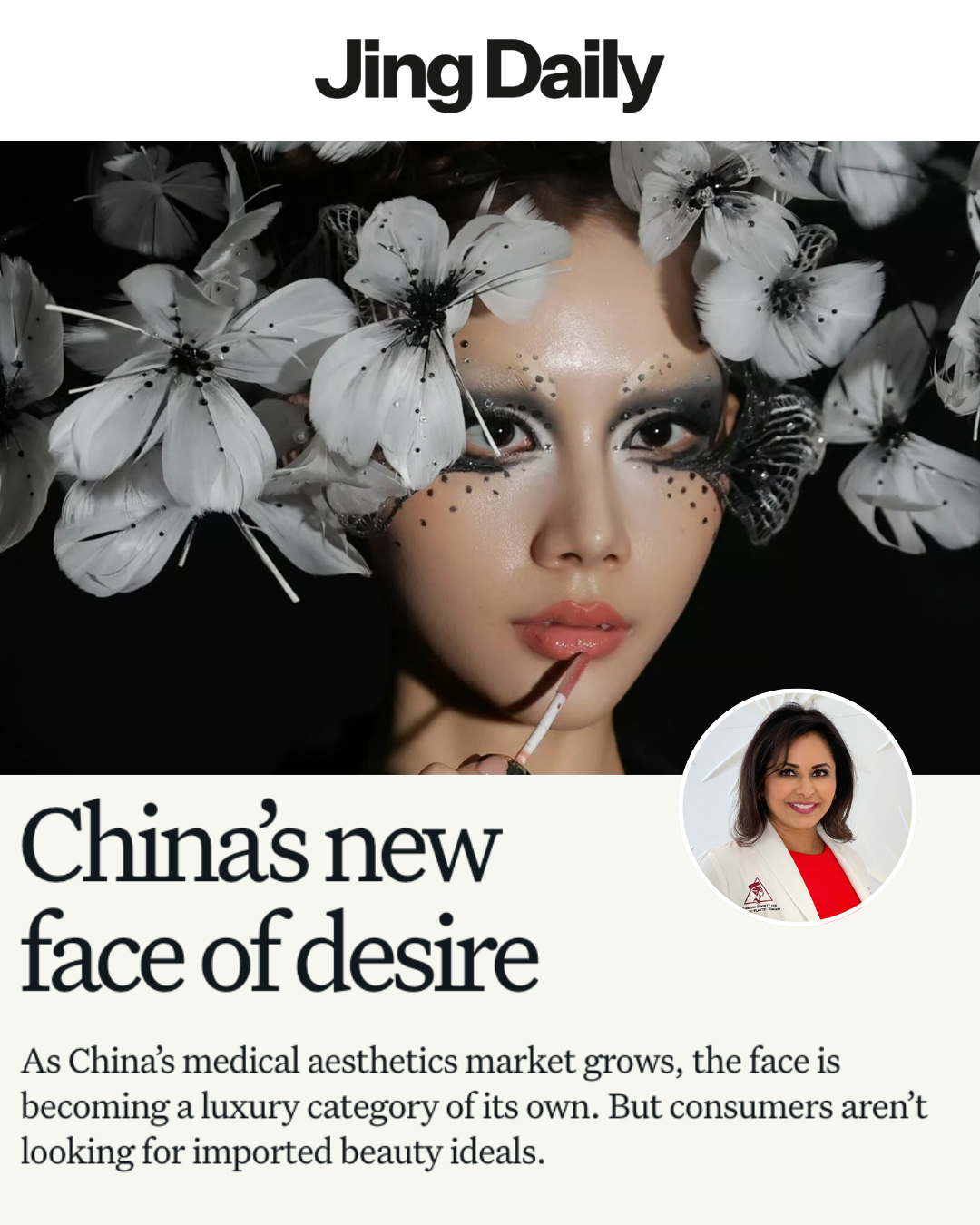
Also Featured in Jing Daily: China's New Face of Desire
Dr. Rajagopal's insights into evolving beauty standards also extend to a recent Jing Daily article by Dr. Daniel Langer, titled "China's New Face of Desire."
Published on October 19, 2026, the article explores China's evolving medical aesthetics market and a growing emphasis on beauty ideals that celebrate individual features and cultural identity rather than conforming to Western standards.
The discussion complements Dr. Rajagopal's perspective on the importance of facial harmony, individuality, and natural-looking aesthetic results.
Read the full article on Jing Daily
About Dr. Usha Rajagopal
Dr. Usha Rajagopal is a board-certified plastic surgeon and Medical Director of San Francisco Plastic Surgery & Laser Center. With decades of experience in cosmetic surgery and non-surgical aesthetic treatments, she specializes in facial aesthetics, breast and body procedures, and comprehensive aesthetic rejuvenation.
Her approach combines surgical expertise, evolving medical technology, and a commitment to helping patients achieve balanced, refined results that complement their individual features.
Learn more about Dr. Usha Rajagopal and explore the surgical and non-surgical treatments available at San Francisco Plastic Surgery & Laser Center.